Happy Things Font: A Simple Guide for Modern Web Design
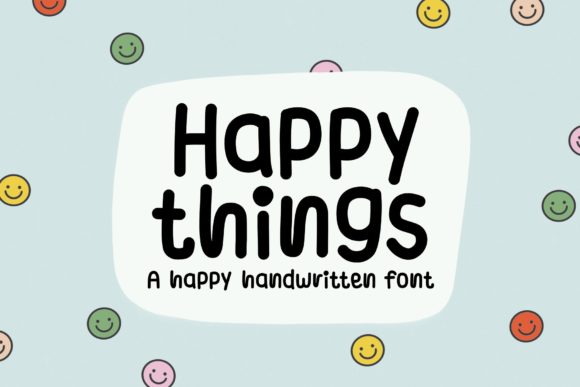
I was laying out a new hero section for a coaching website, trying to break away from the stiff, corporate feel the client kept pushing for. The headline needed warmth, a personal touch. I scrolled through my font library and clicked on Happy Things. Immediately, the entire mood of the layout shifted. Happy Things is a simple and cute handwritten font. Its casual, friendly curves softened the page, making the message feel like a personal invitation rather than a sales pitch. This is the kind of instant impact a well-chosen script handwritten font can have on a digital project.
What Makes Happy Things a Unique Script Handwritten Font
In the world of digital fonts, Happy Things stands out because it avoids the extremes. It’s not overly formal or calligraphic, nor is it a chaotic, messy scrawl. Its charm lies in its balanced simplicity. The letterforms have a consistent baseline with just enough playful variation in the strokes to feel genuinely handwritten. This gives it a personality that is approachable and cheerful, perfect for brands that want to convey authenticity and human connection online. For web designers, this means a display font that adds character without sacrificing legibility at crucial sizes.
Happy Things for Website Headers and Landing Page Hero Text
My first real test was using Happy Things for the main headline on that coaching site. The key question was readability, especially on mobile. I sized it generously, ensuring the open letterforms and clear spacing remained distinct on smaller screens. The result was a hero section that immediately communicated a friendly, supportive brand. This font excels as a primary display element for landing pages, portfolio homepages, or boutique online store banners where the first impression needs to be warm and engaging. It draws the eye and sets a positive tone for the entire user experience.
Using Happy Things Fonts in Blog Posts and Digital Content
Beyond the big headline, I explored using Happy Things as an accent within blog post titles or as pull-quote styling. For a blog redesign aiming for a more personal voice, using this font for section headings within long articles created a delightful visual rhythm. It broke up the monotony of a single sans-serif font throughout and gave the content a curated, editorial feel. Remember, for body copy itself, you'll need a complementary font. Happy Things is perfect for these decorative, personality-driven moments in digital planners, study notes, or key call-out text on course sales pages.
Pairing Happy Things with Other Fonts for Web Design
A script handwritten font like Happy Things should never stand alone on a website. Typographic harmony is crucial. For the coaching site, I paired it with a clean, geometric sans-serif for all body text and UI elements like buttons and form labels. This pairing created a clear hierarchy: the friendly, decorative voice of Happy Things for emotion and branding, supported by the ultra-readable, neutral sans-serif for information and functionality. For a more editorial or luxury brand, pairing Happy Things with a classic serif font can work beautifully for digital brand kits and campaign landing pages.
Happy Things for Logos and Digital Brand Identity
The client loved the hero headline so much they asked if it could form the basis of their new logo. Happy Things is inherently suitable for logo text, especially for businesses built around personal service, creativity, or lifestyle—think coaches, artisans, bloggers, or specialty shops. Using it for a logo creates a consistent typographic anchor that can then be echoed in website headers, social media graphics, and even digital ad banners. This consistency across touchpoints builds a cohesive and memorable online brand experience.
Readability Tips for Happy Things on Mobile and Responsive Layouts
Any font choice must pass the mobile test. For Happy Things, avoid using it at small sizes for critical interactive text, like button labels or navigation menus. Its strength is in display. On responsive layouts, be mindful of line length when using it for headings. Shorter phrases or single words look best. When placing it over image banners or dark backgrounds, ensure sufficient contrast and perhaps add a subtle letter-spacing increase for clarity. These small adjustments ensure the font’s cute, simple character enhances the design without compromising usability.
Integrating Happy Things into Invitations and Greeting Cards Online
While my primary project was a website, the product description mentions invitations and greeting cards. This speaks directly to digital creators. Many online businesses now offer digital invitation templates or printable greeting cards. Happy Things is an ideal font for these products. Its handwritten aesthetic adds a personal, crafted feel to digital downloads, making them feel less generic. For a website selling such digital products, using Happy Things in the marketing materials—the sales page, the preview graphics—creates a perfect, authentic loop between the brand font and the product font.
Technical Considerations Before Using Happy Things on Your Website
Before committing to any font for a web project, practical checks are essential. For Happy Things, confirm its availability as a webfont (likely via WOFF2 or TTF formats) and its loading performance. Check for any included alternates or weights to add flexibility. Crucially, verify the commercial font licensing for your use case—client work, your own online store, or digital template sales. A premium font like this is a professional design asset, and ensuring proper licensing protects your work and your client’s brand.
Choosing Happy Things for that coaching website wasn’t just about picking a cute font. It was a strategic design decision to humanize a digital interface. The font’s simple, handwritten charm transformed the site’s tone, improved visual hierarchy, and helped build a more polished and trustworthy brand experience. For web designers, UI designers, and digital product creators looking for a font that balances personality with practicality, Happy Things offers a versatile tool. It can elevate blog posts, define logos, accent digital planners, and bring warmth to landing pages, making it a valuable addition to any modern web design toolkit.